
(My mom and and the late
Monsignor GG Gaston
during the "Kaon Tá!"
at Balay Negrense in Silay City in 2017)
Silay City on the Negros Island in the Philippines is famous for its history and heritage homes, the most famous of which is Balay Negrense owned by the Gaston family (read blog here).
But aside from its rich history and famous children, Silay is also famous for its local delicacies the recipes of which have been handed down from generations of Silaynon families. I can always attest to that as my favorite snack stop in Silay is El Ideal Restaurant - located on the ground floor of a grey, heritage house by the national highway near the City's public plaza (read blog here).

My oldest memories of Silay delicacies were courtesy of Tía Bodók, an old lady vendor who traveled to Victorias from Silay while balancing her wide flat basket full of panara, dulce gatas, salab, and other snacks made in Silay.
Well, thanks to El Ideal, I can always satisfy my craving with a trip to Silay whenever I am on the island.
And in the past years, we were able to enjoy, not just El Ideal's menu, but the rest of Silaynon's recipes! Held at Balay Negrense grounds, the Kaon Tá! food festival celebrated the gastronomic history and delights of Silay, and we were glad we made the trip!
'Kaon ta', short for 'makaon kita', means 'let's eat', and this was where I finally learned about the story behind Tita Isa's Dulce Gatas (read blog here).


We made it to Balay Negrense that day, just in time for merienda. And at the first stall, Monsignor Gaston's adobong milyonaryo greeted everyone, inviting them to try his own style adobo.
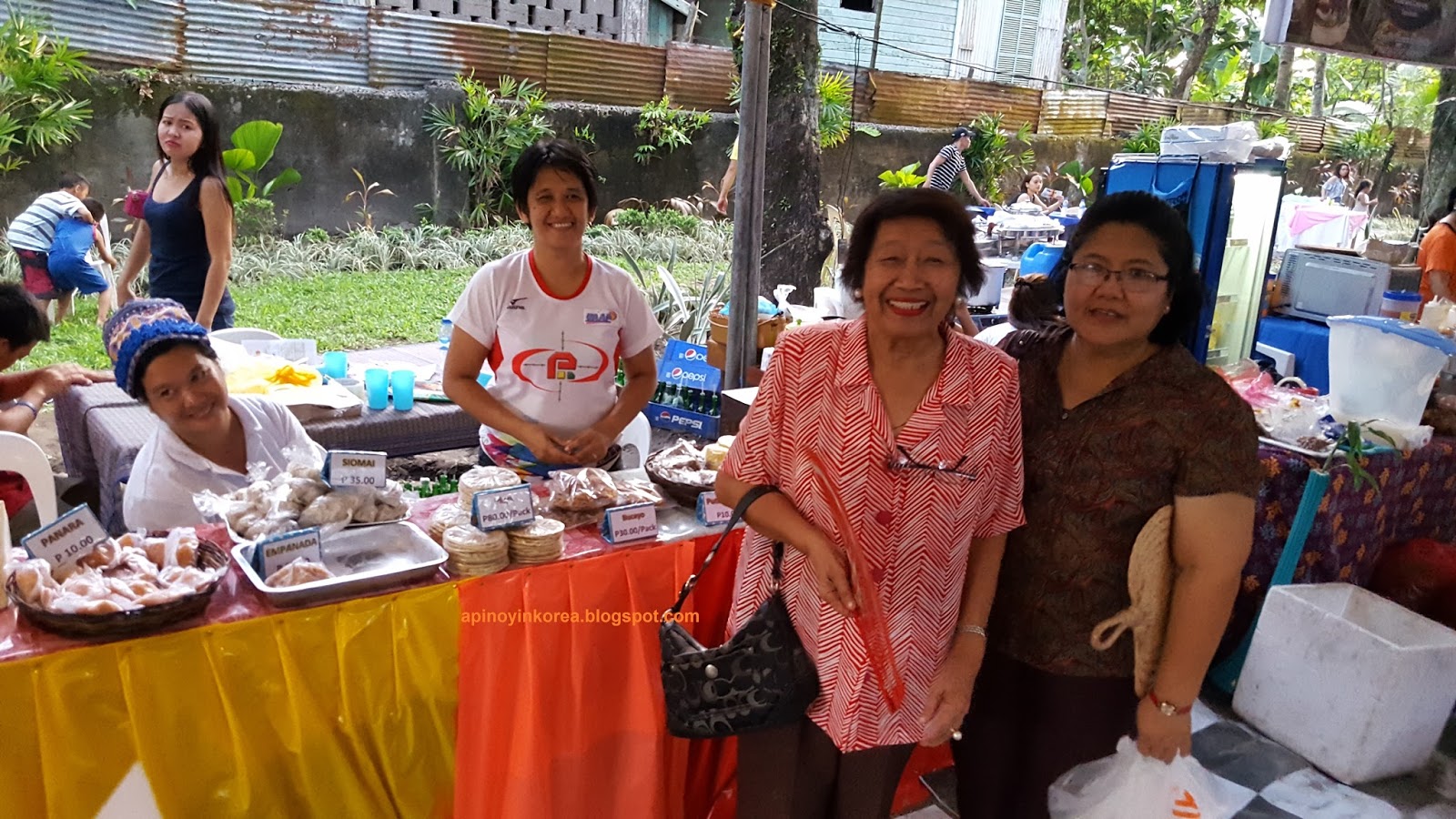
sightseeing before sitting down to eat)

You can just imagine my drooling as I jumped from one stall to another with all those displays of yummy delicacies from 'heritage' recipes. See? Silay City has not only successfully preserved its old homes and converted them into showcases of its heritage, but the Silaynon families also preserved their family recipes and shared them with tourists and visitors from everywhere!
Bravo, Silay!🙏

Of course, we spent a few hours enjoying the food that afternoon, and we left just before it grew really dark. We were so full we didn't feel like having dinner that night when we got home. Burp!😃


So, if you missed Kaon Ta! last time, you have another chance to enjoy Silay City's famous recipes from November 2 to 5, 2024, at Balay Negrense grounds.😎


I'm already thinking of the dulce gatas, panara and the fresh lumpia, but you're probably thinking of other heritage dishes waiting for our tummies!
Let's all head to Balay Negrense to enjoy once more the yummy delicacies and dishes of Silay City! Balay Negrense is along Cinco de Noviembre Street.
Ganî, kit-anay guid kita tanan sa Silay!
PS. Here is the Festival's official Facebook page for more information and details:
https://www.facebook.com/KaonTaFoodFestival/
#kaonta #kaon #food #silaycity #silay #negros #philippines #foodfestival


