Showing posts with label Balay Negrense. Show all posts

Tuesday, 21 November 2023

A Hundred Years of Tita Isa's Dulce Gatas: Sweet Memories of a Sweet History

It was now past 11PM, cold but not freezing. The airport bus finally arrived at Hannam-dong in the Yongsan District, my home in Seoul. My plane from Manila just landed over an hour ago. It was time to go back to work; my Christmas vacation was over. 

As I waited on the sidewalk for the bus driver to pull out my maleta from the luggage compartment of his bus, Seoul welcomed me with a drizzle. 

Wanting to get out of the cold, I started dragging my 30-kilo luggage with my left arm while my 10-kilo hand-carry bag burdened my right shoulder. 

The final leg (pun, intended!) of my journey to my home-away-from-home would require me to walk for 400 meters and traverse two pedestrian lanes that crisscrossed one of the busiest intersections in Yongsan. I was now very tired and hungry.😩

And as I stood alone waiting for the green light at the crossing, the exhaustion from my cargo was too much that I looked up to the dark winter skies, my face wet with mist, and wanted to wail as the honking city buses and cars drove past me.😢

I then realized that, among my clothes and shoes, were the prized contents of my bags: dried mangoes for my Korean friends, homemade brazo de mercedes from Tita Gamay, Salazar hopia from Binondo, Mary Grace chocolate truffle cake (in a plastic container) and ensaimadas from my friend Cielo, piaya from Bailon's, Dolor's sapin-sapin, El Ideal's bread snacks, packs of tablea tsokolate, Manapla puto, and Tita Isa's dulce gatas!😁

Instead of crying, I started to chuckle!😅 I wasn't carrying ordinary cargo. I was carrying goodies from home! These weren't burden; these were delights!😄

           (Tita Isa's dulce gatas from the maleta)

That was how these Philippine delicacies cheered me up in Korea. Even during freezing winter mornings in Seoul, when I couldn't go out because of heavy snowfall, I'd steam a pair of Manapla puto and melt tablea tsokolate in hot milk, and my day would feel warm and better. 

At times, after a busy day in the office, I'd try to forget the stress and irritating office characters with a bar of Tita Isa's dulce gatas! 

These flavors that reminded me of home always made me feel not so far away from home. 

But now that I am, it is a delight to be 'reconnected' again with Tita Isa's dulce gatas!😊 

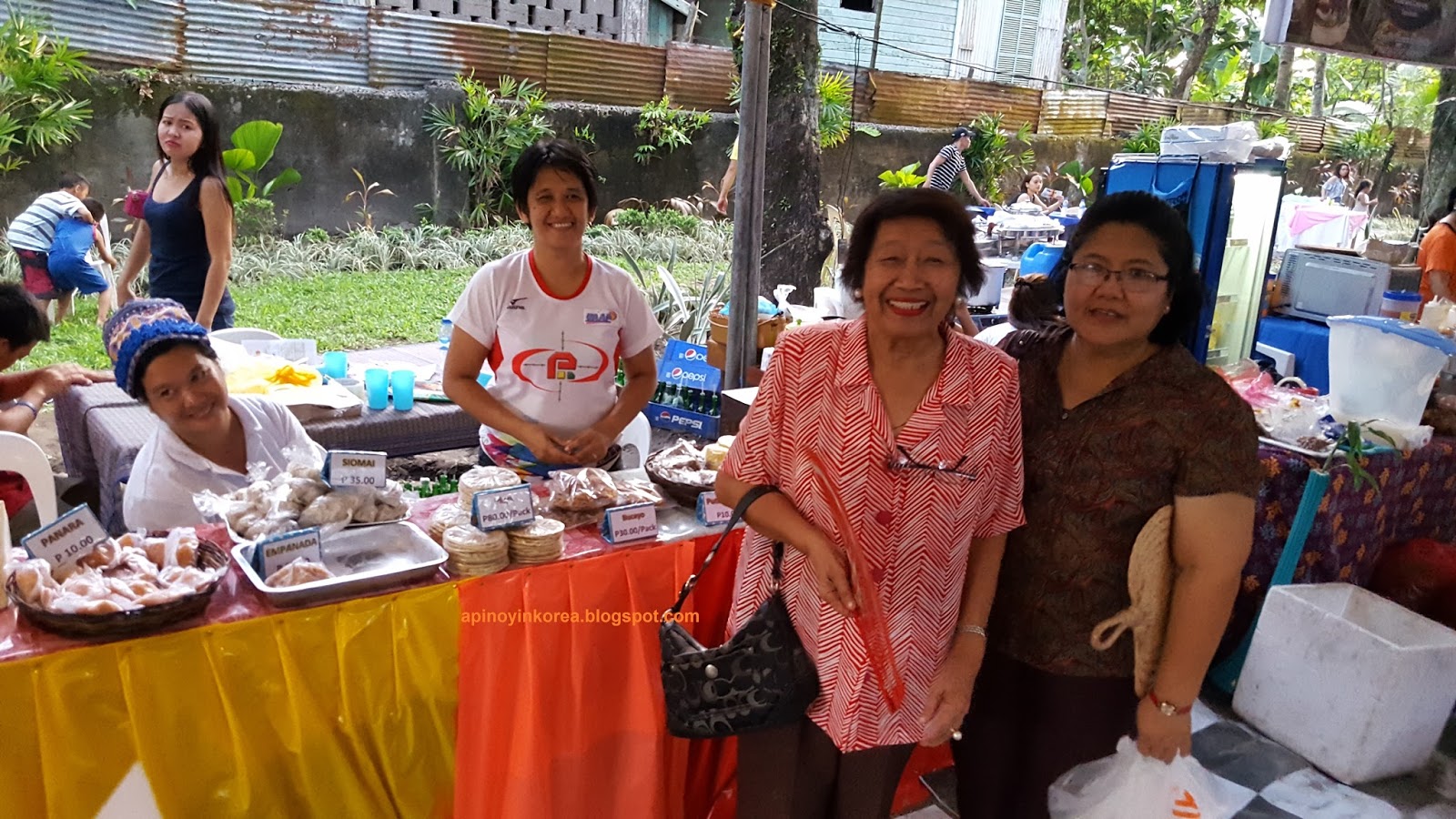
Right in the middle of the 2023 Kaon Ta Festival at Balay Negrense in Silay City I met Tita Isa's daughter, Mrs. Sonia Javier-Tordesillas who has continued her mom's dulce gatas business. 'Tita Isa's Dulce Gatas' was one of the stalls of other Silaynon heritage recipes at the food festival. (According to my mom, it was Mrs. Sonia Tordesillas who took her orders when she phoned.😊)


And while the Silay rondalla was providing music to everyone, I told Mrs. Sonia Tordesillas that her Mom's dulce gatas was one reason I was at Kaon Ta!

And how did the story of Tita Isa's dulce gatas start?

According to one of her daughters, Sr. Vicenta Eloisa Javier, R.A., it all started with their Lola Hortensia 'Oten' Gamboa who made dulce gatas in the 1920s. With lots of sugar available in Negros plus the available supply of carabao's milk from their hacienda, it was easy to create such yummy delicacy. Back then, Lola Oten used milk cans as her dulce gatas containers.


(If you want to order, these are numbers to call in Silay City, Negros Occidental, Philippines)


In the 1950s, when Lola Oten felt she needed to turn over the dulce gatas business to the next generation, she passed it on to her niece, Eloisa 'Isa' Gamboa-Javier, who also added pili macaroons, merengue, pastel, and barquiron to her sweet creations. 

It was her dulce gatas that stood the test of time and the discriminating taste of her customers. Although branded as "Tita Isa's Dulce Gatas", it is also called "mazapan de leche" when her sewing teacher, Señora Montserrat Viaplana, asked her to make some so she could bring this sweet delight to Spain as pasalubong. Tita Isa named dulce gatas as mazapan de leche for her Spanish consumers. 

With Lola Oten's original recipe in the 1920s up to today, for a hundred years now, dulce gatas has been enjoyed by generations and has been a pasalubong to Spain, to Korea and to many other places and countries, I'm sure.

When I look back now, I'd chuckle again at those funny memories, but at the same time, I now have a bar to enjoy, and I know that any time, I could always order and travel to Silay City for those yummy Tita Isa's dulce gatas. 

How about you? What are your sweet memories of Tita Isa's dulce gatas?😍

#titaisasdulcegatas #dulcegatas #mazapandeleche #Silay #NegrosOccidental #bacolod #pasalubong #pinoyfood #food #foodblog

Friday, 7 June 2019

#itsmorefuninthePhilippines : Silay's Kansilayan Festival & Street Dancing Competition 😍


It is called the Paris of Negros because of its charm, heritage, and being home to famous artisans and artists, according to an article at Reader's Digest I read when I was in grade school. 


Well, Reader's Digest forgot to mention that, more than just a treasure of heritage homes and culture, for me, Silay City is my center of gastronomic delights on the Negros island here in the Philippines!


From fresh lumpia to panara, to dulce gatas and Monsignor Gaston's adobong milyonaryo! One lunch break or an afternoon wouldn't be enough to squeeze in these culinary treasures into one enjoyable meal time! That's why during the City's festivities, there's Kaon Ta Festival at the Balay Negrense grounds along the Cinco de Noviembre Street every June during the Kansilayan days. If it were not for this awful pandemic, I would have been there again myself!😃


Photographs of well-preserved heritage homes you'd see online couldn't even compare to the festival of flavors on your palate when you savor the native delicacies from recipes of old Silaynon families. And the one stop you can enjoy these goodies is El Ideal Restaurant which is just about five minutes from the Bacolod-Silay Airport. Whether you're arriving or departing from that airport, an enjoyable visit to El Ideal is a must!😄


On June 12 every year, Silay City celebrates the anniversary of its being declared a Chartered City, and it is one of the top 25 tourist destinations in the Philippines with its role as a center for the arts, culture, and ecotourism in this part of the country.


And to bring color, fun, and artistry to the streets of Silay City, the Kansilayan Festival holds its street dancing and arena competition, where creativity and showmanship of local Silaynon performers entertain and impress locals and tourists alike.


I am glad I was able to enjoy the street dancing competition last year. But with positivity and prayers, we will all celebrate the Kansilayan Festival again once this pandemic blows over.

These photographs remind me how fun it was, even under the heat of the noontime sun.😎


See you next time, Silay!😍

Friday, 3 November 2017

"Kaon Tá!": Enjoying Silay City's Gastronomic Heritage

(My mom and and the late 
Monsignor GG Gaston 
during the "Kaon Tá!" 
at Balay Negrense in Silay City in 2017)

Silay City on the Negros Island in the Philippines is famous for its history and heritage homes, the most famous of which is Balay Negrense owned by the Gaston family (read blog here). 

But aside from its rich history and famous children, Silay is also famous for its local delicacies the recipes of which have been handed down from generations of Silaynon families. I can always attest to that as my favorite snack stop in Silay is El Ideal Restaurant - located on the ground floor of a grey, heritage house by the national highway near the City's public plaza (read blog here).  


My oldest memories of Silay delicacies were courtesy of Tía Bodók, an old lady vendor who traveled to Victorias from Silay while balancing her wide flat basket full of panara, dulce gatas, salab, and other snacks made in Silay.

Well, thanks to El Ideal, I can always satisfy my craving with a trip to Silay whenever I am on the island.

And in the past years, we were able to enjoy, not just El Ideal's menu, but the rest of Silaynon's recipes!  Held at Balay Negrense grounds, the Kaon Tá! food festival celebrated the gastronomic history and delights of Silay, and we were glad we made the trip! 


'Kaon ta', short for 'makaon kita', means 'let's eat', and this was where I finally learned about the story behind Tita Isa's Dulce Gatas (read blog here).


    (Monsignor GG Gaston's adobong milyonaryo)
      (The freshest lumpia made on the spot!)
           (Panara is also a childhood favorite)


We made it to Balay Negrense that day, just in time for merienda. And at the first stall, Monsignor Gaston's adobong milyonaryo greeted everyone, inviting them to try his own style adobo.

We were able to say 'hi' to Monsignor GG as we were about to choose from among the mouth-watering delicacies and dishes that represent the gastronomic heritage of Silay.

             (My mom and Jenny enjoying their 
            sightseeing before sitting down to eat)

You can just imagine my drooling as I jumped from one stall to another with all those displays of yummy delicacies from 'heritage' recipes. See? Silay City has not only successfully preserved its old homes and converted them into showcases of its heritage, but the Silaynon families also preserved their family recipes and shared them with tourists and visitors from everywhere! 

Bravo, Silay!🙏

Of course, we spent a few hours enjoying the food that afternoon, and we left just before it grew really dark. We were so full we didn't feel like having dinner that night when we got home. Burp!😃


                                  (Piaya!)
              (A live band serenading the guests)

So, if you missed Kaon Ta! last time, you have another chance to enjoy Silay City's famous recipes from November 2 to 5, 2024, at Balay Negrense grounds.😎


I'm already thinking of the dulce gatas, panara and the fresh lumpia, but you're probably thinking of other heritage dishes waiting for our tummies!

Let's all head to Balay Negrense to enjoy once more the yummy delicacies and dishes of Silay City! Balay Negrense is along Cinco de Noviembre Street. 

Ganî, kit-anay guid kita tanan sa Silay!

PS. Here is the Festival's official Facebook page for more information and details:

https://www.facebook.com/KaonTaFoodFestival/

#kaonta #kaon #food #silaycity #silay #negros #philippines #foodfestival 

Monday, 30 November 2015

Touring Philippines: Silay City's Balay Negrense


Right in the center of Silay City in Negros Occidental in the Philippines is a very popular landmark; I think it's competing for the top spot alongside El Ideal's fresh lumpia ubod, a favorite local delicacy. Ha-ha-ha!

Balay Negrense, or Negrense House (Negrense is an adjective to describe any thing or any one from and of the Negros Island), is the ancestral home of Don Victor Fernandez Gaston that was built around 1897 and was completed in 1901. 


His heirs donated it to the Philippine Tourism Authority and in March 1994, the National Historical Institute of the Philippines declared it a heritage house.


Situated along the historic Cinco de Noviembre Street in Silay City, Balay Negrense is actually just a few minutes from the airport. Any tourist arriving in the Negros Island should be able to squeeze in a few hours touring Silay City and its old, preserved ancestral houses that tell the story of what once the cultural and economic center of the island.


I visited The Ruins in the neighboring Talisay City a few years back. Just like Balay Negrense, it is also a popular tourist destination. But unlike The Ruins, Balay Negrense's interiors have been preserved and restored, and filled with antique furnitures donated by other Negrense families.


At the time of its completion, Balay Negrense was the largest house in the province, and must have been a sight to see during those years. With its big windows and high ceilings, this mansion is very airy and cool throughout the year. They didn't need air-conditioners then.


Don Victor Fernandez Gaston was the son of Yves Leopold Germain Gaston, a Frenchman from Lisieux, France, who is credited for bringing in sugar technology to the Negros Island in the 19th century. If you have seen the classic Philippine movie Oro, Plata, Mata, some of the scenes were filmed in another mansion owned by one of Yves Leopold Germain Gaston's heirs.

And as I walked around Balay Negrense that day, I stumbled upon portraits of Susan Magalona, who was said to have been the most beautiful woman on the island during her time. I remember seeing photos of Betty Magalona, Susan's sister, in my mom's photo album. Both women were mestisa and truly beautiful. Seeing photos of these ladies taken during those days, one can always declare that they were indeed beautiful, as there was no photoshopping then. Unlike today's digital photos and plastic surgery, you can never tell who's cheating! Ha-ha-ha!
   (Portraits of the beautiful Susan Magalona 
           are displayed at Balay Negrense)


Visiting Balay Negrense gives any tourist an idea of the lifestyle of the rich sugar baron and his family in the early 20th century.

So, if you're visiting the island, do drop by Silay City and make a quick trip to Balay Negrense and other museums. And don't forget to stop by El Ideal for snacks! I always do!
(Silay's cathedral as seen from Balay Negrense)
Here's Balay Negrense's homepage:

http://www.balaynegrense.com/index.html